Princeville Graded School
Honoring the Educators, Students, and Community Who Shaped Its History
Why This School Matters
Princeville Graded School opened in 1883, just a generation after emancipation, and quickly became a cornerstone of Black education in North Carolina. Its principals and teachers—highly educated, deeply committed, and largely forgotten by history—used literacy to transform a community of newly freed families. Their work carried the school through Reconstruction, Jim Crow, and into the modern era, leaving a legacy of resilience, pride, and intellectual empowerment.
Angels at the Blackboard grew out of a three‑year research project to recover the names, stories, and contributions of Princeville’s early educators. What began as scattered references in archives, newspapers, and family histories became a fuller portrait of the men and women who shaped generations of students. This work seeks to honor their lives, their families, and the profound influence they had on the school and the wider community.
This website offers a glimpse into the history explored more fully in Angels at the Blackboard. It serves as a companion resource—providing context, milestones, and educator profiles that help restore Princeville’s early teachers to their rightful place in American and African American history. Here, visitors can discover the legacy these educators left behind and understand why their story still matters today.
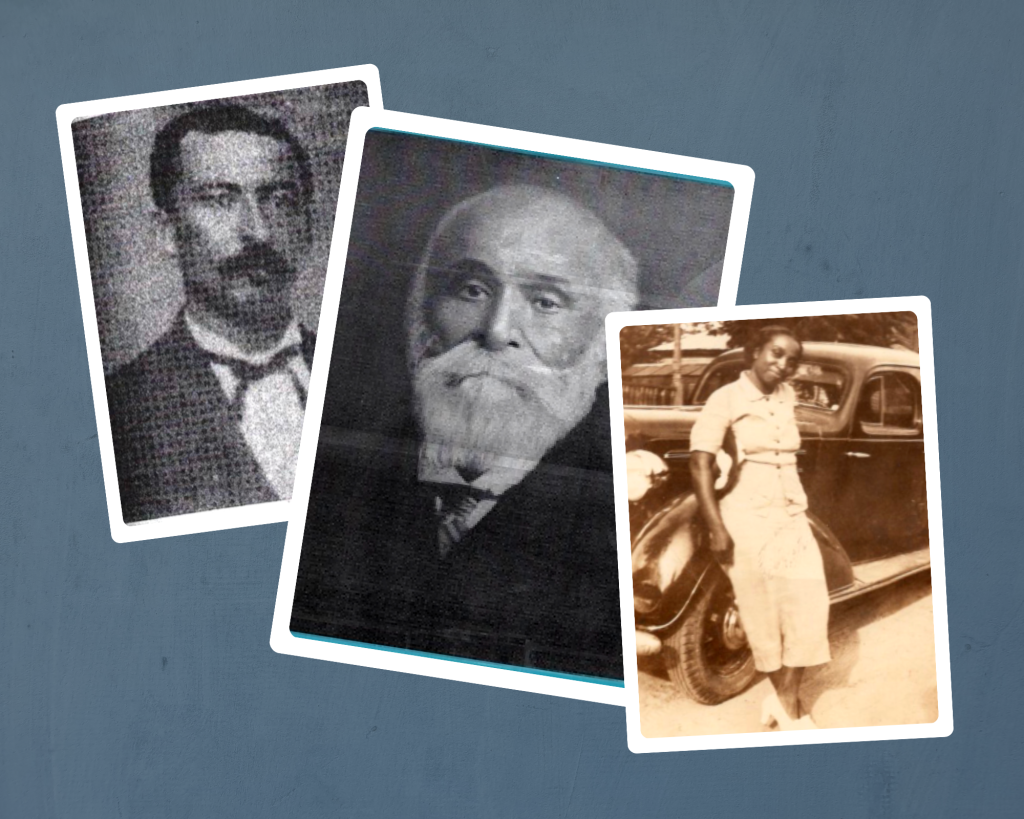
“…I realized our early educators had been lost to history. I promised to find them, to tell their stories, and to restore them to their rightful place in Princeville School’s legacy.”
Coming Soon!
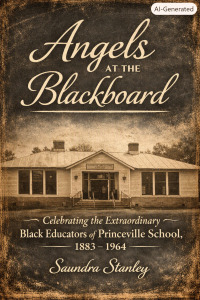
Angels at the Blackboard is a historical account of the Black principals and teachers who, in the years after the Civil War, brought literacy and opportunity to the newly emancipated community of Princeville, North Carolina. Their work inside a small elementary school shaped generations of students and helped build a legacy of resilience that endured through Reconstruction and Jim Crow.
Key Moments in Princeville Graded School's History
1863
Emancipation Proclamation Issued
President Lincoln’s order declared freedom for enslaved people in Confederate states, reshaping the future of Black education.
1882
William Patrick Mabson Selected as Principal
Mabson became the first principal of Princeville Graded School, setting the foundation for its academic and civic mission.
1883
Princeville Graded School Opens
The school officially began serving the children of Princeville, becoming one of the earliest formal Black educational institutions in the region.
1921
Enrollment Reaches 667 Students
Princeville Graded School grew into a thriving educational hub, reflecting the town’s expanding population and commitment to learning.
2001
Listed on the National Register of Historic Places
The school’s legacy was formally recognized as a site of national historical significance.
The Educators Who Shaped the School
From formerly enslaved pioneers to resolute, highly educated teachers, the men and women who led Princeville Graded School brought courage, conviction, and extraordinary skill to their work. Their leadership shaped the school’s curriculum, nourished its students, and secured a legacy of learning that endures.
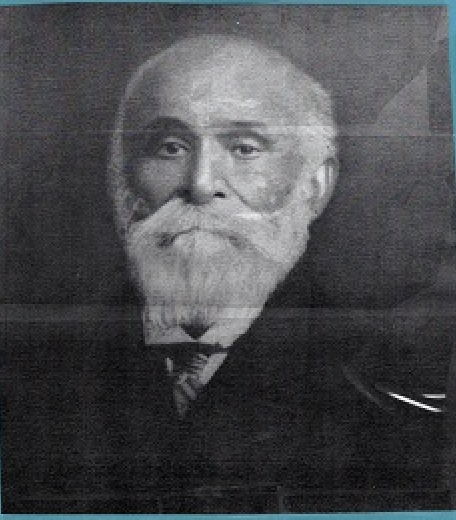
John Craven Jones
1889–1907
As Princeville’s second principal, he brought decades of experience and stability to the school. Yet his deeply ingrained methods led to public friction late in his tenure.
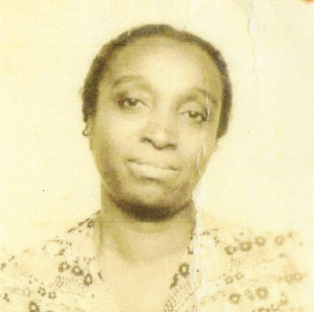
Pearl Jane Ward Bennett
1930s(?)–1965
Each morning she traveled miles on foot, bringing groceries and cookware to prepare meals for students who arrived hungry. She did this at her own expense, embodying the deep care that defined Princeville’s educators.
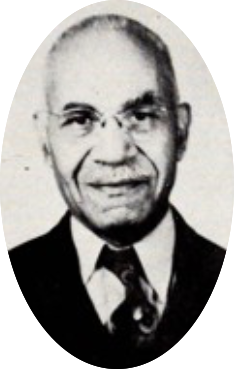
Walter Alexander Pattillo, Jr.
1912–1924
Pattillo served as the seventh principal of Princeville Graded School, distinguished by his experience and civic involvement. The confidence he inspired among educators and community members alike prompted the Tarboro City School Board to appoint him supervisor of the region’s African American schools.
A Project Built on Deep Scholarship
Saundra Stanley has spent more than five years researching and writing to preserve the legacy of the Black educators who established, led, and taught at Princeville Graded School. In the early years of Reconstruction, parents in this small North Carolina town were determined to secure an education for their children, and their efforts helped bring the school to life.
Saundra has searched libraries, State Archives, museums, school board minutes, census records, and even cemeteries to piece together the lives of these long-forgotten educators. She has located descendants and former students for interviews, written letters requesting photographs, and received encouragement from the school’s two living teachers—one is 90 years old and the other is now 96 years old.
Angels at the Blackboard weaves together family histories, educational backgrounds, and personal stories to restore these educators to their rightful place in history. The book preserves not only the story of Princeville Graded School but also the lives of the remarkable individuals whose contributions have been overlooked for more than a century. A full bibliography of Saundra’s extensive research is included in the book.

About the Author
Saundra Stanley is a researcher and writer dedicated to restoring the stories of the educators who shaped Princeville Graded School. Her work brings forward the names, lives, and legacies of the teachers who served generations of Black students in Princeville, North Carolina.
Contact
Direct your questions, comments, requests for interviews, or speaking inquiries to: pes.research01@gmail.com
Project Credits: Research by Saundra Stanley. Historical materials courtesy of families, archives, and community members. Website curated as part of the Princeville Graded School History Project.
Share Your Memories
Did you or a family member attend Princeville Graded School? We’d love to hear from you. If you have photos, stories, or memories of its teachers, classrooms, or community events, please consider sharing them with us. Your contributions help preserve the legacy of Princeville Graded School for future generations.
© 2026 Princeville Graded School History Project. All rights reserved.
With gratitude to the families, alumni, and community members who preserve this legacy.